
How Economic Imperialism Shapes China’s Modern Foreign Policy
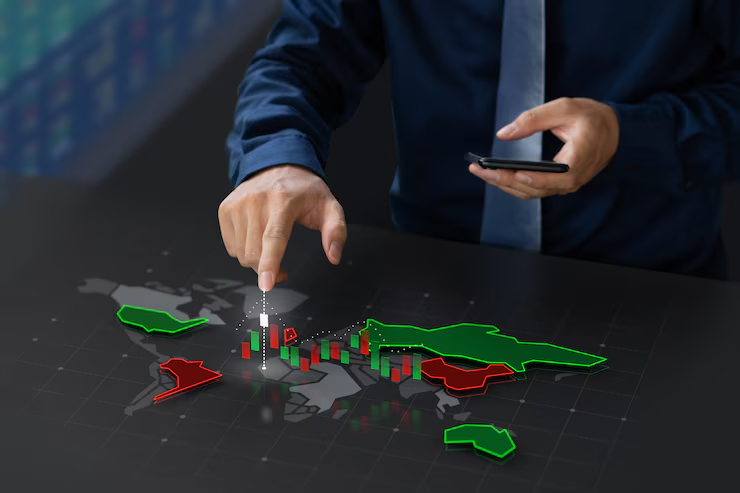
What makes China’s foreign policy so powerful today? How does economic imperialism play a role in this? And why does it matter to the rest of the world? These are big questions, but the answers are quite simple. In the past, many countries used war to grow. Now, China uses money, trade, and influence instead. This new kind of power is called economic imperialism. Instead of taking land, it builds roads, gives loans, and makes trade deals.
Through smart international trade relations, strong political outreach, and clever soft power initiatives, China is shaping its place in the world. But what does this all mean in everyday life? How does it affect other countries? And why should we care? Let’s look at ways this happens. Each way shows how China is changing the world with its new kind of power.
Building Trade Ties Through Economic Imperialism
Why does China make deals with so many countries? Why does it invest in faraway places like Africa and South America? The answer is simple: economic imperialism. China uses money and projects to build strong international trade relations. Instead of fighting wars, it builds roads, railways, and ports. It helps other countries grow—but it also gets more power and control. These actions are part of China’s foreign policy. China gives loans and builds big projects, but sometimes the other country has to follow China’s rules.
This means China grows its reach without using force. It becomes a boss in business and trade. At the same time, China uses soft power initiatives—like building schools and offering scholarships—to create friendly feelings. But behind the kindness, there is also a clear goal: to shape how people see China. Is this good or bad? That depends. But it is clear that China’s political outreach through trade and help is changing the world.
Growing Political Power Through Global Projects
What is the Belt and Road Initiative? Why is China building roads and bridges in other countries? This is one big example of economic imperialism. It helps China grow power by helping others build things they need. But these projects are not free. Countries often take big loans from China and have to pay them back. These plans are part of China’s foreign policy. It’s a smart way to grow control without using soldiers. By offering help, China gains friends and power. Many countries say yes because they need the help. But some end up owing China too much money.
China also grows its political outreach by signing deals and opening embassies. It builds friendships that lead to more power. Alongside this, China also uses soft power initiatives like cultural events and language schools. All of this helps China spread its ideas and views. So, how does this change the world? It makes China a strong leader in international trade relations. But it also makes some people worry about losing control over their own countries.
Using Soft Power to Win Hearts and Minds
Why do people around the world learn Mandarin? Why are there Chinese art shows, movies, and food festivals in other countries? This is China using soft power initiatives—a kind of friendly power. It helps China look good and win trust. But this is also a part of economic imperialism.
These actions support China’s foreign policy goals. When people like Chinese culture, they may trust the country more. This helps China grow its reach without being scary. It shows that power can come through kindness and sharing.
But is it really just kindness? Or is there more behind it? These fun events are also tools of political outreach. They help China shape the way others think. When countries enjoy China’s culture, they are more likely to agree with China’s views. This also helps build international trade relations. When people like and trust China, they may buy more goods or sign better deals. So yes, even fun and friendly things are a part of this big plan.
Expanding Global Trade While Setting the Rules
Why does China trade with almost every country in the world? Why does it push for trade groups where it has a big voice? This is economic imperialism again. But this time, it’s about setting the rules in international trade relations. When you make the rules, you have more power. Through China’s foreign policy, the country makes trade deals that help it sell more things and buy what it needs. It joins global trade groups or starts new ones where it plays a leading role. This helps China grow stronger in the world economy.
But this also links to political outreach. Countries that want to trade with China may have to stay quiet on certain issues. They may not criticize China or may even support its goals. So trade leads to power. On top of this, China uses soft power initiatives to make trade smooth. It hosts fairs, gives trade scholarships, and trains workers from other countries. These actions make others feel welcome and safe with China.
Changing the Global Story Through Diplomacy
Who gets to tell the story of the world? Why do some countries get more say in the news? China is trying to change this by using economic imperialism to build its own global news and media. This is a big shift in China’s foreign policy. Through political outreach, China opens new TV channels, newspapers, and websites in many languages. These tools share China’s views and stories. People start to see things from China’s side. That can change opinions and choices in other countries.
To make this work, China also builds strong international trade relations. It trades with countries and then offers media support or technology. In return, it may ask for support or silence on sensitive issues. This media push is also a big soft power initiative. It makes China look modern, wise, and helpful. People start trusting the stories they hear from China. But again, the goal is more than just being liked—it’s about shaping the world’s view.
Role of Economic Imperialism in China’s Foreign Policy
So, what have we learned? Economic imperialism is not about taking land with armies. It’s about using money, trade, and media to grow power. And this is at the heart of China’s foreign policy. China builds strong international trade relations, uses friendly soft power initiatives, and reaches out with smart political outreach. Is this good or bad? That depends on how it’s used. But there is no doubt that it is changing the world. China is not just growing—it is shaping the world in its image.
And that affects every country and every person. Do you want to learn more about how China is doing all this? Do you want to understand its dreams and plans? Then we suggest you read China’s Dream by Judith Moore. This powerful book dives deeper into China’s new power moves and what they mean for the world. It’s easy to read and full of real stories and lessons. So, don’t miss it!